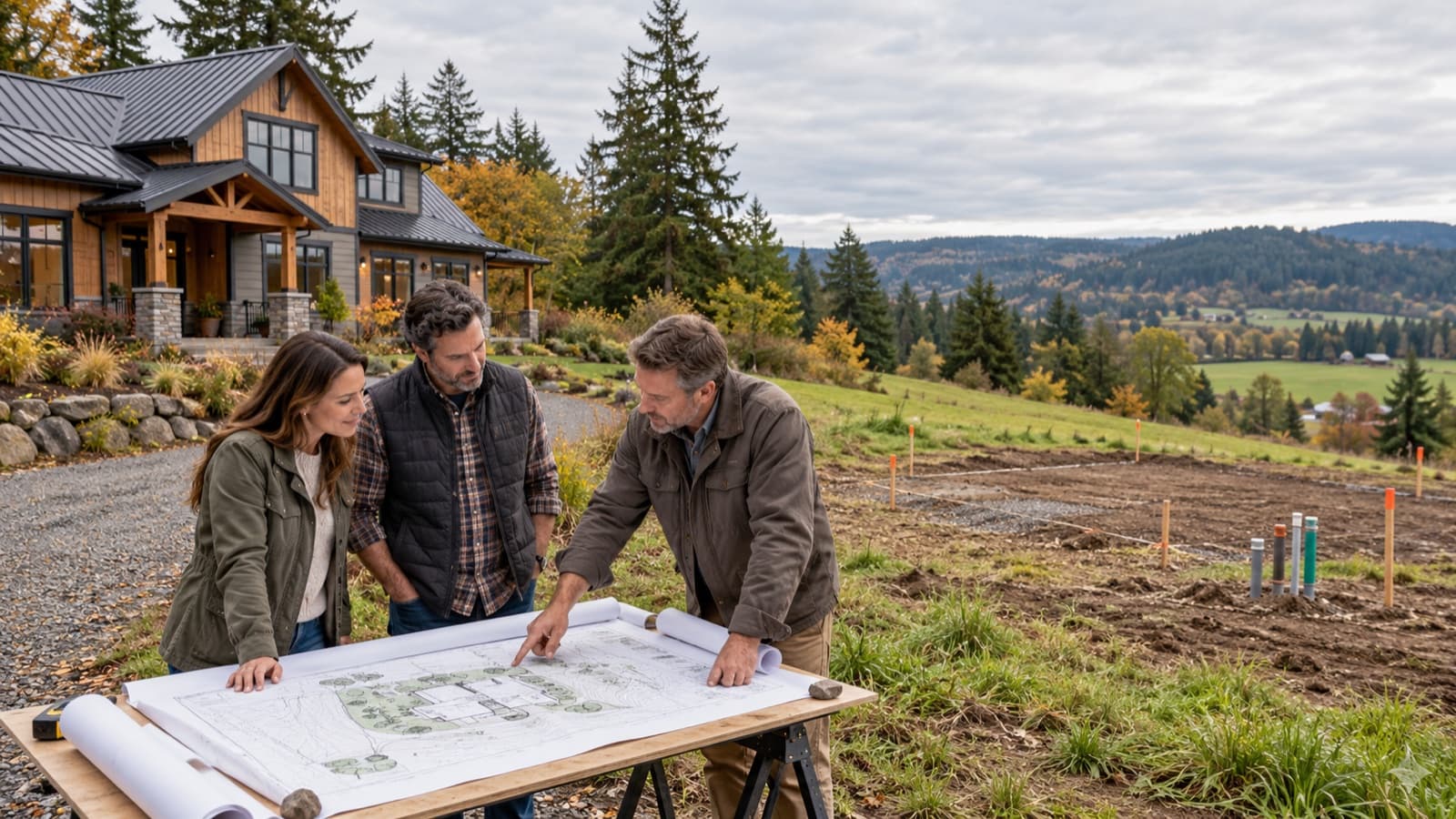
A successful home project rarely begins with perfect timing. It begins with a clear plan.
Many homeowners start thinking seriously about design only after a deadline appears. A closing date gets closer. Interest rates shift. A loan window starts to matter. A builder asks for drawings. A permitting office needs a complete package before anything can move forward.
By then, the project already has pressure on it.
That pressure can force fast decisions in areas that deserve patience: layout, materials, budget, scope, and the way the home will actually feel to live in. When design gets rushed, homeowners may still get a set of plans, but they often lose the chance to refine those plans into something they truly believe in.
The better approach is to plan early, align the design with the budget, and be ready before timing becomes urgent.
The Design Should Lead the Timeline
For a new home or major remodel, the design is not just a creative step. It is the foundation for nearly everything that follows.
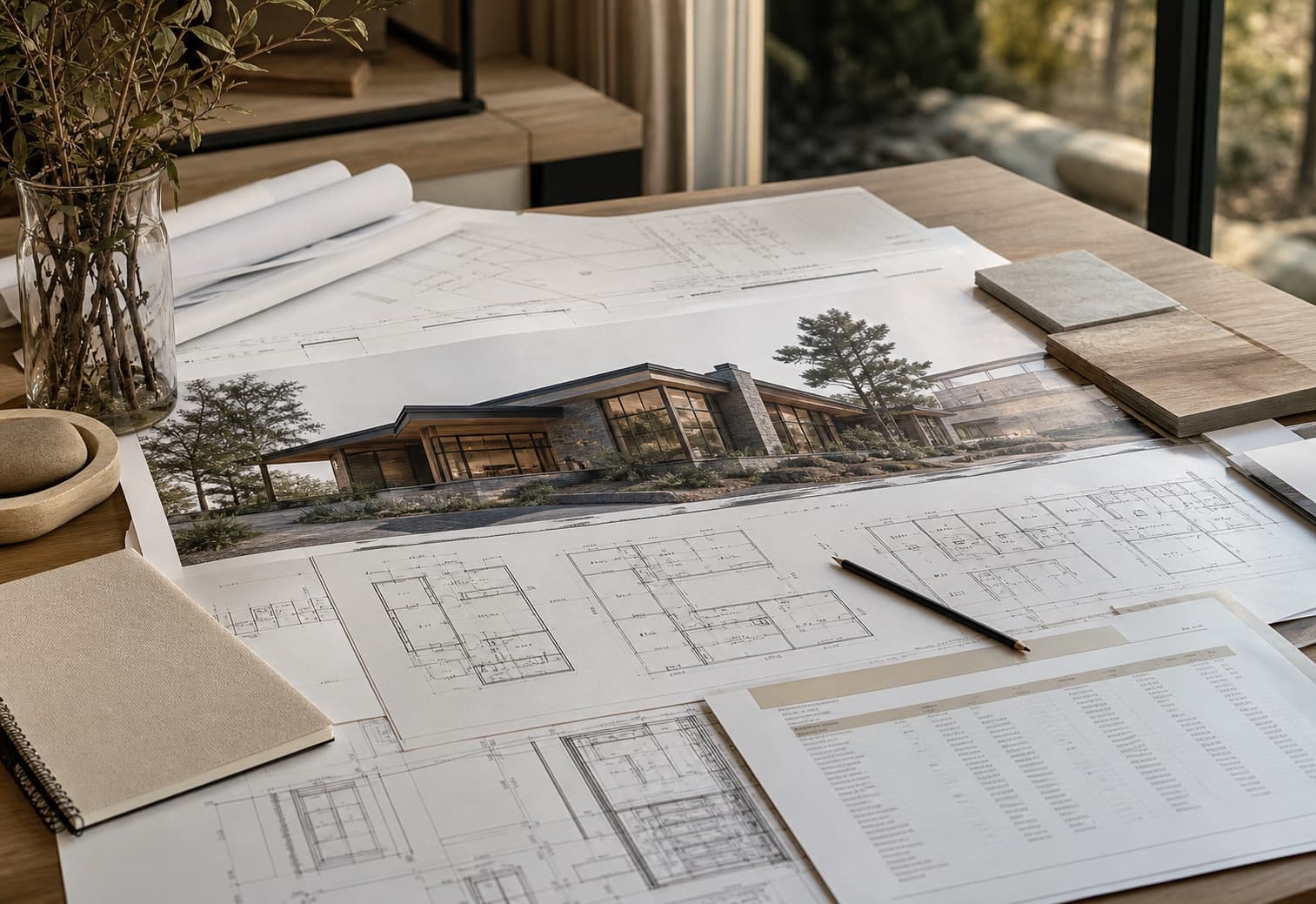
A complete design helps define the scope of work. It shapes the budget. It gives contractors, lenders, and permitting offices something real to review. Without that clarity, the rest of the process is built on assumptions.
That is why it can be risky to focus first on closing dates, interest rates, or construction start dates before the home plans are ready. Those things matter, but they do not replace the need for a complete, thoughtful design.
In many cases, plans must be finished and approved by the permitting office before a home loan can close or construction financing can move forward. If the design is not ready, the financing timeline may not matter yet. The project still has to pass through design, documentation, review, corrections, and approval.
Permitting Timelines Can Vary Widely
One of the hardest parts of planning a home project is that permitting is not always predictable.
Some jurisdictions may move through review in a matter of weeks. Others can take months. In certain areas, approval timelines can stretch beyond six months depending on workload, project type, corrections, staffing, and local review requirements.
That range creates a problem for homeowners who wait too long to begin design.
If you assume permitting will be quick and it is not, the entire project can stall. If you assume you have plenty of time and then discover the plans need revisions, engineering updates, or additional documentation, the schedule can tighten quickly.
The homeowner is then forced to make important design decisions under deadline pressure, not because the home is ready, but because the calendar is closing in.
A Good Plan Can Wait
There is a simple reason to start early: a finished plan can wait.
Once the design is complete and aligned with a realistic budget, it becomes an asset. You can refine it. Price it. Review it. Adjust it. Hold it until the timing is right.
Even approved plans can often wait for a short period before construction begins, depending on the jurisdiction and permit rules. That means there is usually more flexibility in being ready early than in trying to catch up late.
A rushed design does not offer the same flexibility. It creates stress at the exact moment when decisions become more expensive to change.
When a plan is developed early, the homeowner has time to ask better questions. Does this layout support the way we live? Are we spending in the right places? Is the budget aligned with the design? Are there details we would regret skipping? Are there parts of the scope that should be simplified before the project moves into permitting?
Those are the conversations that lead to better homes.
Rushed Design Often Creates Regret
Design regret usually does not come from one bad decision. It comes from too many decisions made too quickly.
A homeowner may approve a layout before fully understanding how the rooms connect. They may choose finishes before the budget is clear. They may cut an important feature because there is no time to rework the plan properly. They may move forward with a design that technically works but does not feel fully resolved.
That can turn what should be an exciting project into a stressful experience.
The goal is not to slow the project down. The goal is to remove unnecessary pressure from the decisions that matter most.
When design happens early, there is room to explore options. There is time to compare ideas. There is space to make adjustments before drawings are submitted, reviewed, and tied to a construction budget.
That is where better projects are built.
Budget Alignment Should Happen Early
A beautiful plan is only useful if it can be built within the financial reality of the project.
That is why design and budget should develop together. If the design gets too far ahead of the budget, the homeowner may fall in love with a plan that later requires painful cuts. If the budget leads without a clear design, the numbers may be too vague to guide real decisions.
The best planning process connects both from the beginning.
That does not mean every detail has to be final on day one. It means the overall direction, scope, and investment range should be discussed early enough to shape the design intelligently.
This helps avoid the common cycle of designing too much, pricing too late, and then redesigning under pressure.
Planning Early Gives You Control
Starting early does not mean you are committing to build immediately. It means you are giving yourself control.
You can work through the design before a loan deadline is driving the conversation. You can refine the scope before permitting becomes urgent. You can understand the budget before construction decisions are locked in. You can move when the timing is right because the plan is already prepared.
That is especially valuable when interest rates, property closings, and lending requirements are changing. Those factors may influence when you build, but they should not force you to design in a panic.
A strong plan gives you options. A rushed plan limits them.
Work on the Home Before the Deadline
If you know a new home, remodel, addition, or major outdoor living project is in your future, the best time to begin planning is before the project feels urgent.
That is when the process can be thoughtful. That is when the budget can be discussed honestly. That is when the design can improve through refinement instead of compromise.
By the time you are ready to move through permitting, financing, and construction, you should not be wondering what the home is supposed to be. You should already have a plan that has been studied, shaped, and prepared for the next step.
Closing
Home projects become harder when design is treated as something to rush through once the deadline appears.
A better experience starts earlier. Plan now. Refine the design while there is still room to think clearly. Align the home with the budget before permitting and financing timelines begin to create pressure.
At Masterwork, we help homeowners develop plans before the process becomes urgent, so when the time is right, they are equipped to move forward with clarity instead of scrambling to catch up.