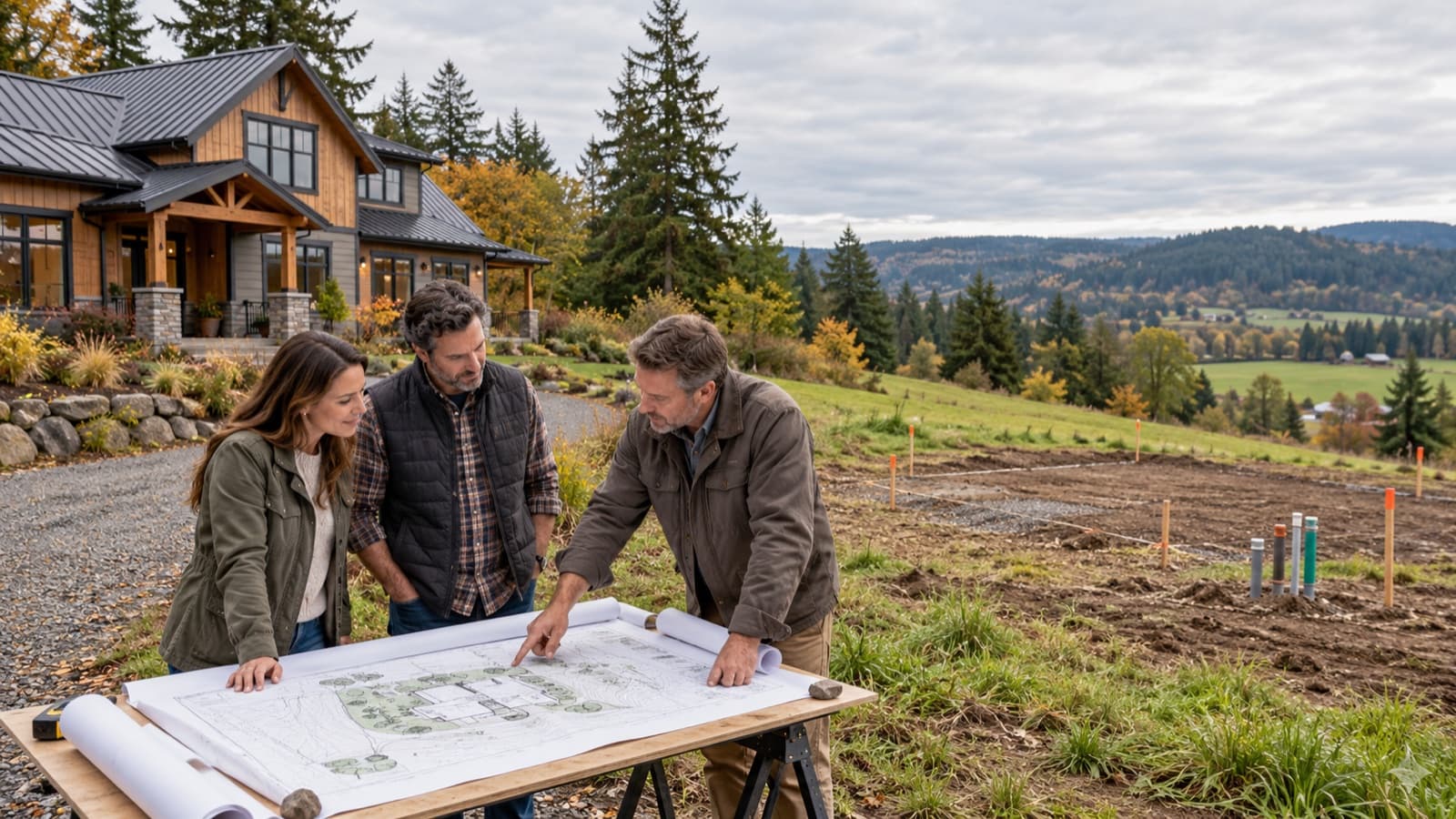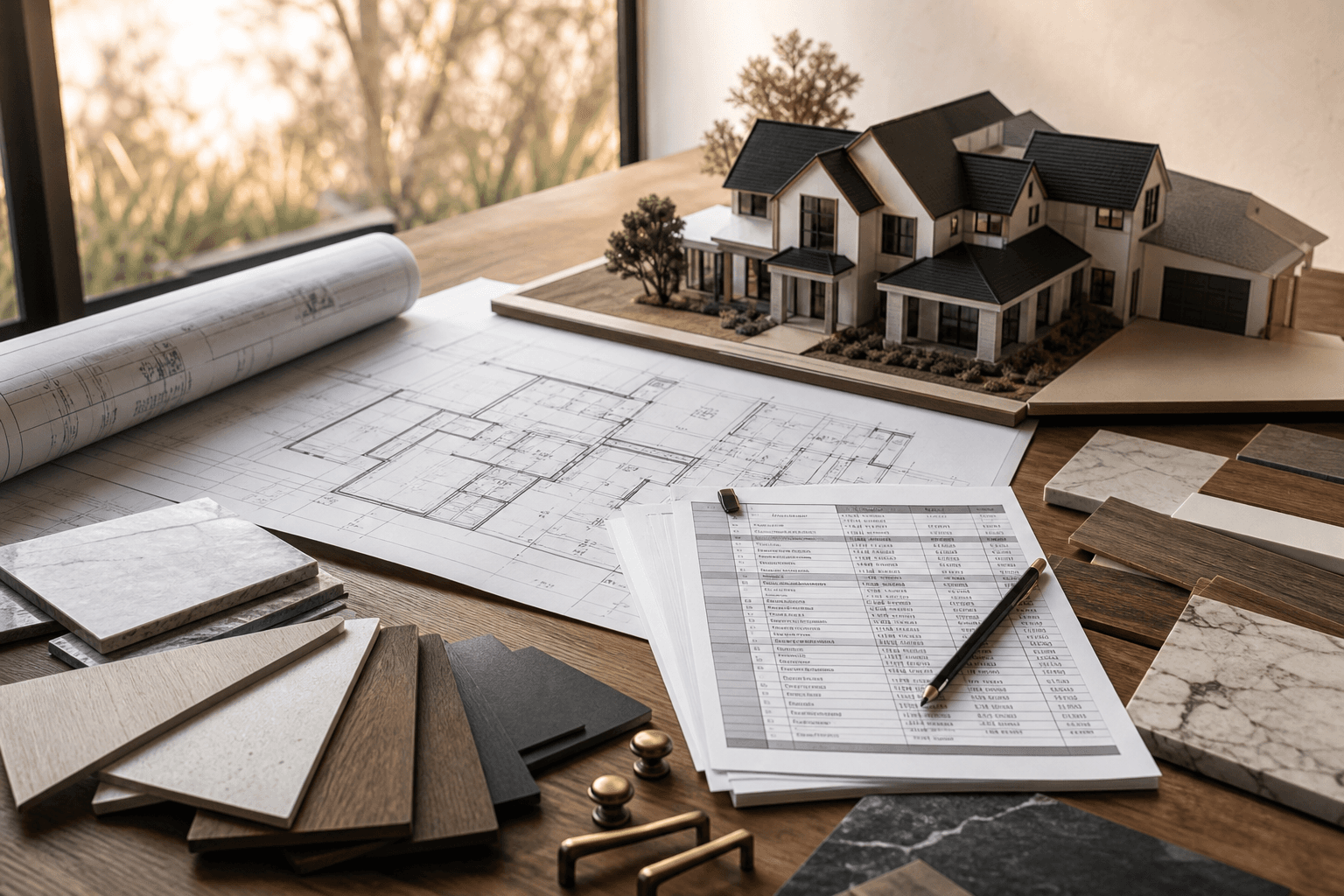
A budget should not be the thing that ruins a good design at the end of the process.
It should be one of the tools that shapes a better design from the beginning.
Many homeowners are hesitant to talk seriously about budget early. Sometimes they worry it will limit creativity. Sometimes they do not know what the project should cost yet. Sometimes they want to dream first and price later.
That is understandable, but it can create a difficult experience. If the design develops without a clear financial framework, the homeowner may fall in love with a plan that later has to be cut apart. By then, the changes feel like loss instead of smart direction.
A better process brings budget and design into the same conversation early, so the home can be shaped with intention instead of corrected under pressure.
Budget Is Not the Enemy of Design
Good design has always worked within limits.
The site has limits. The permit office has limits. The structure has limits. The schedule has limits. The budget is another one of those realities, and when it is understood early, it can actually improve the design.
A clear budget helps identify priorities. It forces the design team and homeowner to decide what matters most: space, light, durability, outdoor living, surface quality, storage, simplicity, long-term maintenance, or a few specific moments that should feel exceptional.
Without that clarity, money can get spread across too many ideas. The result may be a project that is more expensive without feeling more resolved.
Pricing Late Makes Every Decision More Painful
The hardest budget conversations usually happen when pricing comes too late.
At that point, the homeowner has already imagined living in the design. They have pictured the kitchen, the primary suite, the outdoor space, the shower, the windows, the finishes, and the flow of the home. When the estimate comes back too high, the next step is no longer design refinement. It feels like subtraction.
Rooms get smaller. Details disappear. Materials get downgraded. Outdoor spaces are pushed to a later phase. The plan may still be buildable, but it can lose the reason it felt compelling in the first place.
That experience can be avoided when budget is used early as a design guide instead of late as a veto.
Early Budget Alignment Creates Better Tradeoffs
Every custom home and remodel involves tradeoffs.
The question is not whether tradeoffs will happen. The question is whether they will be made thoughtfully while the design is still flexible, or reactively after the plan is already emotionally locked in.
Early budget alignment allows the homeowner to choose with perspective. Maybe square footage is less important than better windows and a stronger indoor-outdoor connection. Maybe a simpler roofline protects enough budget for higher-quality surfaces. Maybe the outdoor kitchen should be planned now, while a secondary feature can wait. Maybe the primary suite deserves more investment because it affects daily life every morning and night.
Those are design decisions, not just cost decisions.
The Best Budget Conversations Are About Priorities
A useful budget conversation is not only about what something costs. It is about what the homeowner values.
Some clients care most about generous gathering spaces. Some care about privacy and quiet. Some want durable surfaces that can handle kids, pets, water, and daily use. Some want a kitchen that works beautifully for entertaining. Some want a shower, pool, or outdoor living space that feels like the emotional center of the project.
The budget should help protect those priorities.
When priorities are clear, the design team can spend more intelligently. The goal is not to make every part of the home equally expensive. The goal is to make the right parts of the home feel deeply considered.
A Beautiful Plan Still Has to Be Buildable
A design is only successful if it can become a home.
That means the plan has to account for site work, structure, utilities, permitting, labor, materials, sequencing, and the realities of construction. A drawing can look simple while hiding expensive decisions inside the roof, foundation, glazing, retaining walls, mechanical systems, or finish details.
This is why budget should be discussed while the design is developing. It gives the team time to solve problems elegantly instead of simply cutting scope later.
The earlier a cost issue is identified, the more design options remain available.
More Square Footage Is Not Always More Value
One of the most common budget traps is assuming that more space automatically creates a better home.
Square footage is expensive because it affects almost everything: foundation, framing, roofing, insulation, drywall, flooring, mechanical systems, finishes, cleaning, maintenance, heating, cooling, and property taxes. Adding space is rarely just adding empty area.
Sometimes the better design move is not a larger home. It is a smarter plan.
Better circulation, stronger storage, more intentional room proportions, improved natural light, and well-planned outdoor living can often make a home feel more generous without simply increasing size.
Finish Budgets Need a Strategy
Finishes are where many homeowners feel the budget most emotionally.
Tile, stone, cabinetry, hardware, lighting, flooring, plaster, appliances, plumbing fixtures, and exterior materials all shape the final impression of the home. They are also easy places for costs to drift if each selection is made independently.
A finish budget works best when it has hierarchy. Decide where the home needs quiet durability, where it needs warmth, where it needs a strong focal point, and where a simpler material will actually make the whole design feel calmer.
That approach usually produces a better result than chasing the most expensive option in every category.
Budget Helps Prevent Design Regret
Design regret often appears when budget decisions are delayed.
A homeowner may approve a plan, price it, discover it is too expensive, and then remove the very elements that made the plan feel special. The project continues, but the homeowner carries the feeling that the best version was lost.
When budget is part of the design process from the beginning, the final plan is more likely to feel chosen rather than compromised.
That distinction matters. A project should not feel like a series of disappointments on the way to construction. It should feel like a set of clear decisions moving toward a home the owner understands and believes in.
The Budget Can Change, But the Framework Should Be Honest
Early budget alignment does not mean every number is perfect on day one.
Custom homes and remodels still involve unknowns. Sites reveal conditions. Markets change. Materials fluctuate. Permitting can affect scope. Remodels can uncover existing issues that were not visible at the start.
But there is a difference between normal uncertainty and designing without financial direction.
A realistic budget framework gives the project a lane. It helps the team recognize when an idea fits, when it needs to be refined, and when it is pulling the project away from the homeowner's actual goals.
A Better Process Starts Earlier
The best time to align budget and design is before the plan feels final.
That is when the design can still adapt intelligently. The team can simplify structure, adjust square footage, prioritize outdoor living, refine finish levels, study alternatives, and protect the parts of the home that matter most.
Waiting until the end of design turns those same decisions into cuts.
Planning early keeps the homeowner in control. It makes the budget a guide for better choices instead of a surprise that arrives after the emotional investment has already been made.
Closing
A budget should not kill a design late in the process. It should shape the design early enough to make the home stronger.
When budget, priorities, site conditions, materials, and livability are discussed together, the result is usually more thoughtful and more buildable. The homeowner understands what matters, the design team can make better recommendations, and the project can move toward construction with fewer painful surprises.
At Masterwork, we believe budget alignment is part of good design. The goal is not to limit the home. The goal is to make sure the final plan is beautiful, realistic, and worth building.