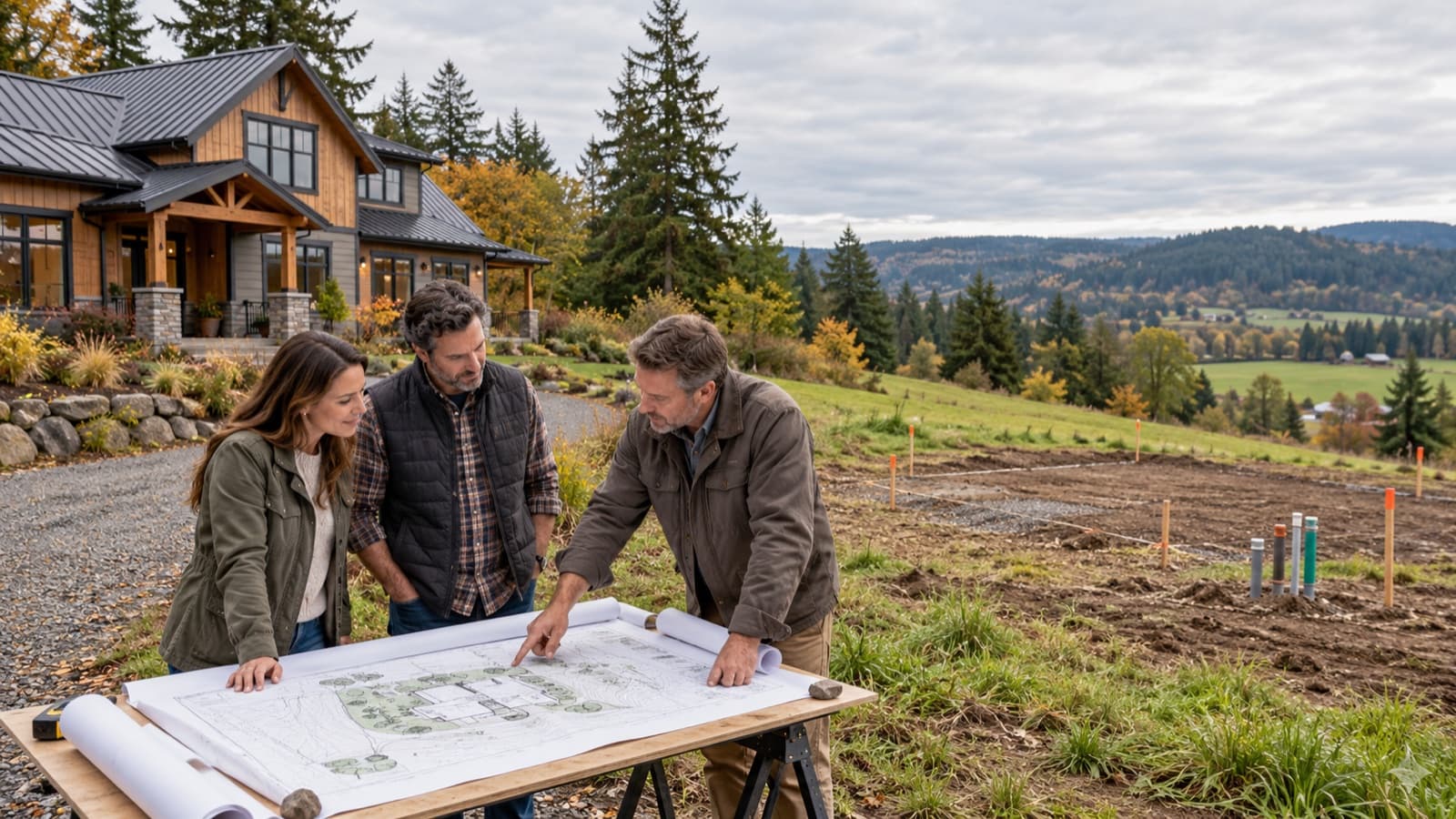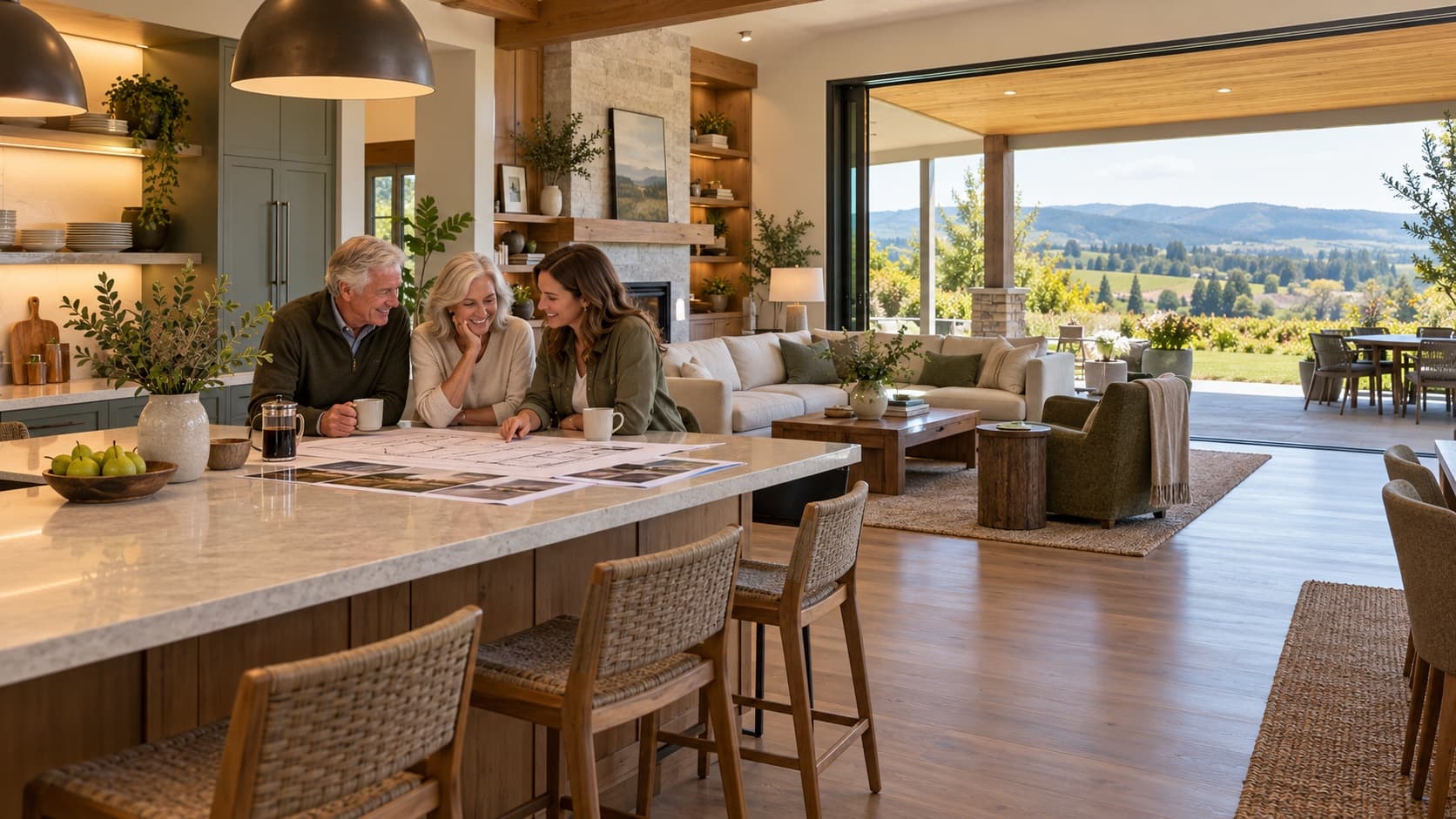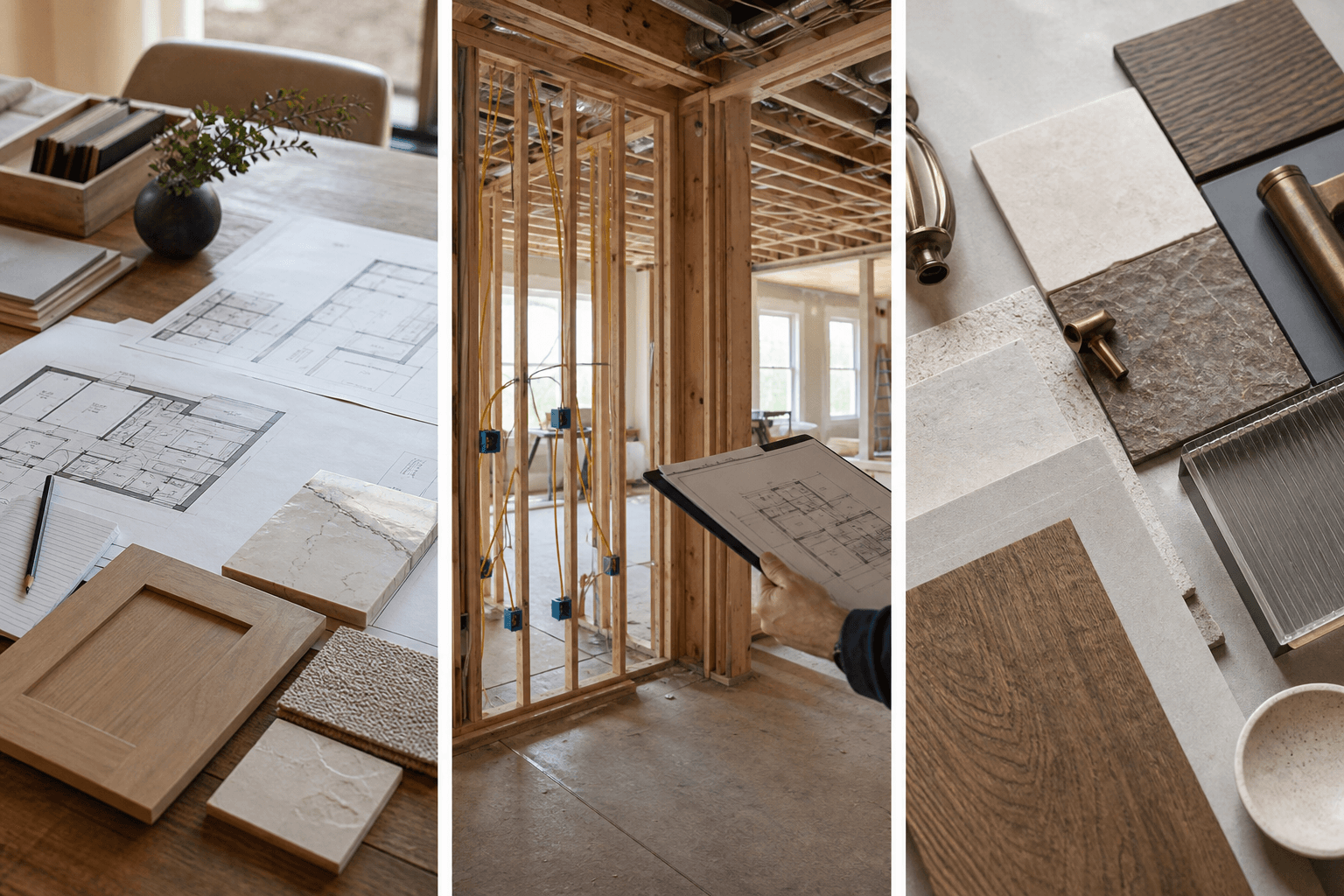
Changing your mind is normal. Changing your mind during construction is expensive.
In a remodel or custom home build, ideas often continue to develop once the project becomes real. A wall opens up. A room starts to take shape. A light location feels different in person. A finish that looked good in a meeting suddenly feels less certain on site.
Sometimes, making a change is the right decision.
But after being involved in numerous remodels and custom home builds, I have seen how changes made during construction can add substantial time to a project, and how often the true cost catches homeowners by surprise.
The key question is not whether changes are always bad. They are not.
The better question is this: In 5 to 10 years, when I am sitting here or looking at this, will I wish I had changed it when I could have?
If the answer is clearly yes, the change may be worth making. If the answer is uncertain, it may be a sign that the decision should have been resolved earlier in design.
Why Construction Changes Cost More Than Expected
A change during construction usually costs more than the visible difference in material.
A homeowner may think, 'We are just changing this tile,' or 'We are just moving that outlet.' But by the time construction is underway, that decision may affect materials, labor, scheduling, trade coordination, completed work, inspections, and the next steps waiting behind it.
If a material has already been ordered or fabricated, it may not be fully refundable. Even when it can be returned, restocking fees commonly apply. A 10% to 20% restocking fee can be significant, especially on specialty or custom materials.
Then there is the time involved. Someone has to confirm the change, price the difference, arrange the return, pick up or ship materials, secure the replacement product, update the schedule, communicate with the trades, and make sure the new decision still works with the rest of the project.
Those office hours are real project costs. They also take attention away from moving the next stage of construction forward.
The Field Work Behind a Change Order
The cost of a change is not only administrative. It often affects the work already happening in the home.
If demolition is needed, that labor gets added. If completed work has to be removed, patched, reframed, rewired, replumbed, waterproofed, or refinished, those hours get added. If a trade has already completed their portion of the job, they may need to come back, reopen their work, make the adjustment, and coordinate around other trades now occupying the same space.
Something as simple as moving an electrical outlet or adjusting a light location can require more than the new placement itself. It may involve opening a wall, rerouting wire, patching drywall, adjusting layout, delaying finishes, and bringing the electrician back after they had already moved on.
This is why a construction-phase change can sometimes cost two to five times more than it would have cost if it had been included in the plans from the beginning.
The change itself may be small. The disruption around the change is what makes it expensive.
Design Changes and Construction Changes Are Different
A design-stage change is usually a conversation, a drawing revision, or a selection adjustment.
A construction-stage change happens after the project has momentum. Materials may be ordered. Trades may be scheduled. Subcontractors may have completed work based on the approved plan. Inspections may be tied to a specific sequence.
That is why the planning stage matters so much.
Design is the time to visualize the end product, compare options, discuss long-term livability, and work through decisions while they are still easier to adjust. Construction is the time to execute those decisions with clarity.
When a Change Is Worth Making
There are times when changing course during construction is worth the added cost.
Homes are personal. A remodel or custom build should support the way you want to live for years. If something will affect your daily comfort, the way a space functions, or the way you feel every time you see it, then it deserves serious consideration.
That is where the 5-to-10-year question becomes useful.
Will this bother me later? Will I wish I had solved this when the wall was open? Will this change make the home meaningfully better long term?
If the answer is yes, the change may be justified.
But that question should be used carefully. It should help separate important long-term improvements from uncertainty, second-guessing, or decisions that were never fully settled before construction began.
Do Not Stay in the Design Stage Forever
One of the most common reasons changes happen during construction is not because the design was wrong. It is because the client never fully moved beyond the design stage mentally.
The plans were approved. The selections were made. Construction began. But emotionally, the project still feels open for exploration.
That can create a difficult experience.
Construction is not the best time to keep designing. It is the time to build the design. The project needs decisions to become fixed so the team can coordinate trades, protect the schedule, and preserve the budget.
This does not mean homeowners should be passive. They should stay engaged, ask questions, and understand what is happening. But there is a difference between being involved in the build and continuing to redesign the project while it is being built.
A good design process gives homeowners the confidence to let the plan become real.
How Planning Reduces Regret
The best way to avoid expensive change orders is to make better decisions earlier.
That means taking time to understand the layout, materials, lighting, surfaces, budget, and daily function of the home before construction begins. It means visualizing the finished product as clearly as possible and asking practical questions about storage, movement, privacy, maintenance, comfort, and long-term livability.
It also means working with experts who can explain how design choices affect construction.
A strong planning process does not remove every unknown. Remodels can reveal surprises. Custom homes still require field judgment. But careful planning reduces the avoidable changes that come from rushed selections, unclear expectations, or incomplete visualization.
Trust the Plan Once Construction Begins
If you have spent the time to plan thoroughly, refine the design, align the budget, and work with qualified experts, there comes a point where the best thing you can do is trust the plan.
Let it be built.
That can be hard during the messy middle of construction. Framing, rough-ins, waterproofing, drywall, and unfinished surfaces do not look like the final result. It is easy to second-guess decisions before the design has had a chance to come together.
This is where confidence in the planning process matters.
A well-developed plan may not need constant adjustment. It may simply need time to become finished.
Closing
Changes during construction are sometimes worth making, especially when they solve something that would bother you for years. But they should be made with a clear understanding of the cost, schedule impact, and disruption they create.
A construction-phase change is rarely just the difference in material. It can include restocking fees, return labor, office coordination, reordered products, trade callbacks, demolition, rework, schedule adjustments, and lost momentum.
At Masterwork, we believe the best projects are shaped carefully before construction begins. When the design is studied, visualized, refined, and aligned with the budget, homeowners can move into construction with confidence.
Be thorough in design. Make the important decisions while they are still easier to change. Then let the plan be built.